Vonder launches audio-first AI glasses with no screen
Every AR glasses launch this year has argued over displays — field of view, brightness, pixel density. Vonder skipped the display entirely.
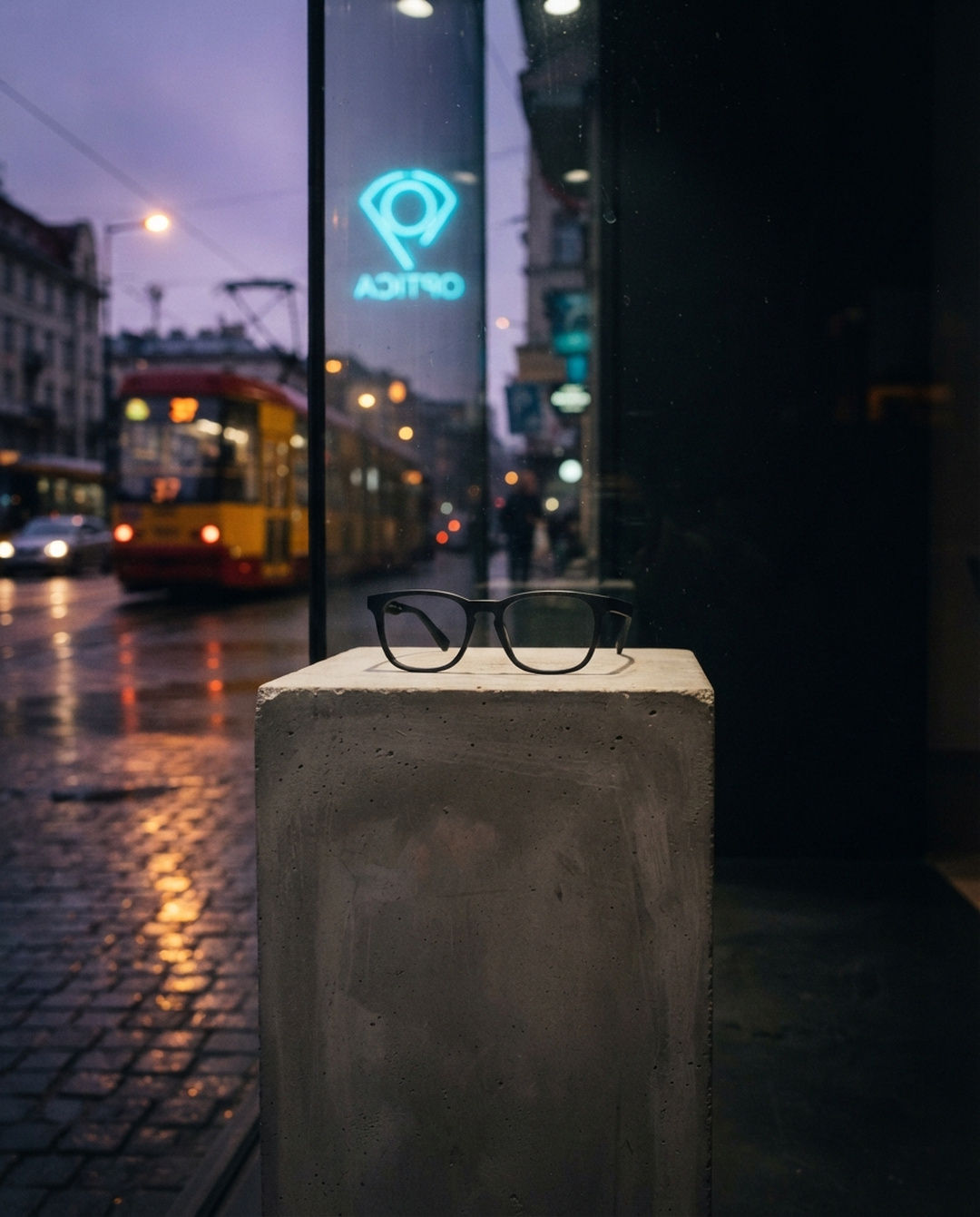
Every AR glasses launch this year has argued over displays — field of view, brightness, pixel density. Vonder skipped the display entirely.
The company was founded by two co-founders of Viture, Emily Wang and David Jiang, together with Guillaume Hamon, previously of Rivian and Oura. Pre-orders opened September 28 for a debut line of six acetate frames, priced from $299 through Vonder.ai and Best Buy, shipping in November. No camera, no screen, under 30 grams, built to prescription.
The engineering worth noting is the privacy design. Vonder's default mode uses bone-conduction microphones that pick up only the wearer's own voice, filtering out everyone standing nearby. Switching to full recording for a meeting hands control to four temple-mounted microphones, and a tamper-proof blue LED lights up so the people around you can see it happened. A built-in assistant runs on GPT, Claude, Gemini and DeepSeek, logging what was said through the day into what the company calls a Personal Memory Graph.
Two years of AR glasses launches have chased a screen worth wearing a computer on your face for. Vonder is betting the interface people actually keep on is the one they cannot see at all.


